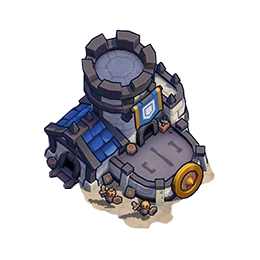
Research
Research for Troops
Connect troop-focused research planning with the training building and roster direction you are actively developing.
What this helps you decide
Decide whether Infantry, Cavalry, or Archer training is the current priority, and whether research should support that same direction.
When to prioritize it
Prioritize this lens when a troop plan has a clear purpose. Barracks, Stable, and Range each represent a different training direction, so research should not be chosen in a vacuum.
Set the decision before you start the queue
This guide treats research planning that starts with a troop purpose instead of a technology label as a decision, not as a checklist. The useful first question is not “what is generally best?” It is “what must this account be ready to do next?” A near-term building push, a resource recovery period, a training plan, or a combat commitment can all produce different answers. The purpose is to align training, buildings, and research attention with the troops you actually intend to use soon. Once that purpose is written in one sentence, it becomes much easier to see which research conversation belongs now and which one can wait without harming the plan.
Use a focused troop goal rather than every troop direction at once as planning language rather than as a promise of a fixed route. They help you describe why an option deserves attention, but they never remove the need to compare it with your present city. A sensible plan has room to change when a building finishes, a resource reserve changes, or the next activity moves closer.
Read the whole account, not one menu
Research should be planned beside Academy, War Academy, Barracks, Stable, Range, Storehouse, and Town Center. Look at the construction queue, the resources already reserved, and the training work you expect to keep moving. A research choice can be attractive in isolation and still interrupt the account if it consumes the flexibility needed elsewhere. The best moment to begin is usually when the decision supports the next visible milestone rather than competing with it.
This is also why a pause can be productive. If the queue would leave an important building, storage decision, or troop plan unsupported, preserve the option to act later. Waiting is not lost progress when it prevents a much larger delay across the city.
Turn a broad intention into a practical sequence
Start with one outcome, then list the work already committed to that outcome. Separate immediate needs from useful future ideas. Immediate needs have a clear connection to the next milestone; future ideas may be valuable, but they should not silently take resources from the active plan. Keep the list short enough that you can explain every choice without relying on a generic ranking.
Next, consider opportunity cost. A queue asks for more than resources: it asks for attention and timing. If several queues are already under pressure, a narrower plan is safer. When the account has breathing room, you can widen the horizon and prepare the next phase deliberately instead of reacting after the fact.
Know when to postpone
Postpone the decision when your city is about to enter a demanding construction period, when the resource plan has no comfortable reserve, or when training needs to remain the priority for an upcoming activity. Do not treat postponement as a verdict that the idea is bad. It simply means the account has a stronger use for its attention today.
Before committing resources, open the relevant research screen in your own game and compare the current display with your account goal. That quick final check keeps the plan grounded in the account you actually have, rather than in an old note or somebody else’s situation.
A repeatable review routine
Review the plan whenever a major queue changes. Ask what the next goal is, what currently blocks it, what resources must remain available, and whether training or construction has become more urgent. If your answer differs from last time, changing the research plan is a sign of control, not inconsistency.
A clear routine protects against the common habit of starting work merely because a queue is open. The queue should serve the account plan. It should not become the plan by itself.
Topic focus
Start troop research by naming the job your troops must do soon, not by chasing a research label. A player preparing a defensive role faces a different plan from one preparing a rally contribution or a PvE push. The Academy and War Academy have different planning roles, while the Barracks, Stable, and Range show which training path is active. Trying to advance every troop direction at the same time spreads queues and resources so widely that no near-term plan becomes reliable. Choose the direction that supports the next activity, then revisit the choice when the activity changes.
Use this topic as a decision lens for the next phase, then connect it to the pages on related buildings and guides below. Those links are there to help you compare the research choice with the city work it depends on. A good plan is coordinated across systems, and it remains easy to revise when your next goal changes.
Questions to answer before you invest
- What is the next account goal I can describe in one sentence?
- Which active building, resource, or training commitment must not be delayed?
- Is this choice solving today’s bottleneck, or merely following a familiar list?
- What would make me revisit this decision after the current queue changes?
Common planning mistakes
- Do not confuse training new troops with promoting older troops
- do not split limited resources across every troop direction without a reason.